Best Things to See at Warsaw Uprising Museum Today
Explore the Soul of Resistance: Discovering the Warsaw Uprising Museum
The Warsaw Uprising Museum stands as a monument honoring human resilience against tyranny. It provides a unique look at the sacrifices made during a critical chapter in history. Visitors can engage with compelling exhibits showcasing personal stories and collective memory. Such a journey through history brings up important questions about human rights and the continuous fight for democratic principles. What wisdom can be extracted from these stories, and how do they connect to our modern world?
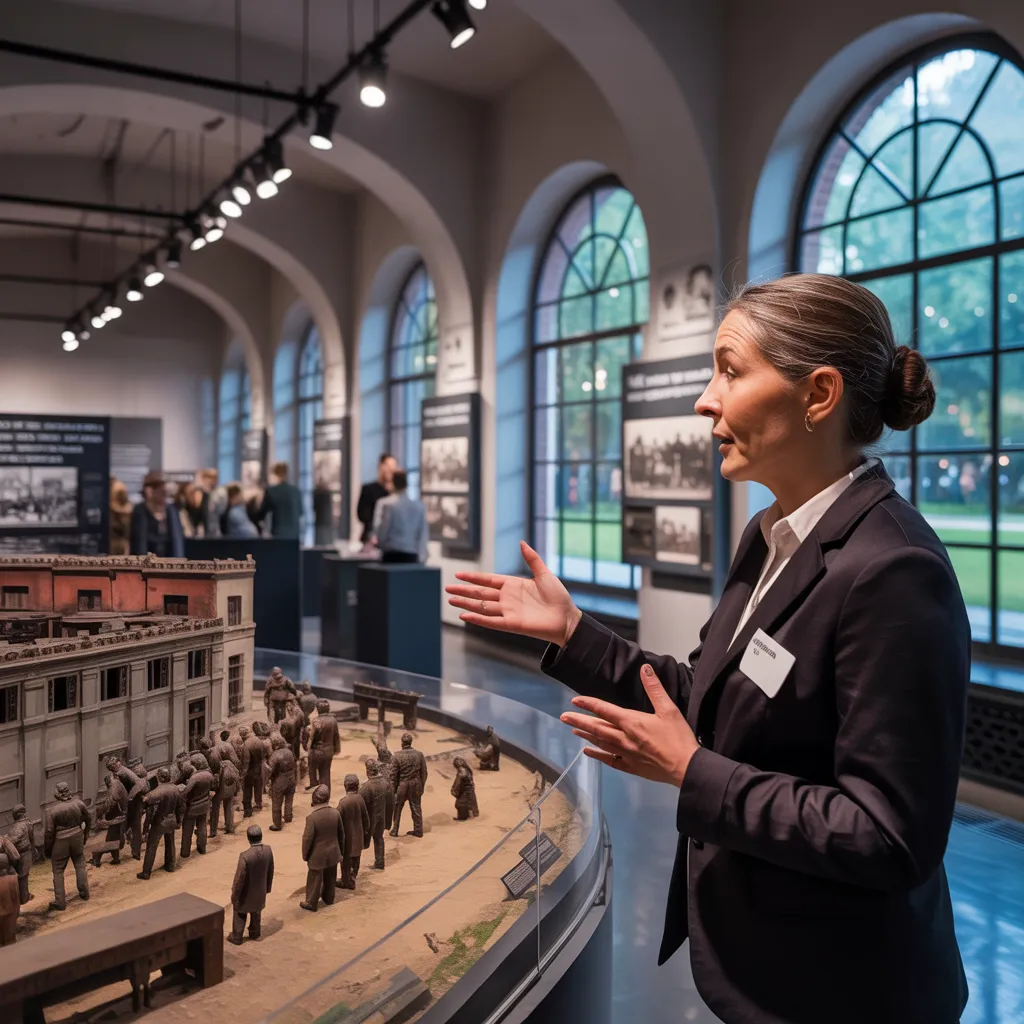
Why The Warsaw Uprising Continues To Matter Today
The significance of the Warsaw Uprising of 1944 resonates deeply in contemporary society, symbolizing resilience in the face of subjugation. This historical event, which unfolded during the Second World War, illustrates the courage of individuals who stood against tyranny, making it a compelling touchstone for modern-day resistance to authoritarian forces. The revolt acts as a reflection of the lives given for freedom, instilling a sense of duty to preserve democratic values today.
During a period characterized by growing nationalist and populist movements, the teachings of the Warsaw Uprising inspire awareness against the deterioration of civil rights. It also fosters a mutual recognition of the value of unified efforts in championing human rights. Furthermore, the uprising bridges generations, joining the stories of historical heroes with modern justice movements. Therefore, its enduring legacy motivates individuals and communities worldwide, emphasizing the enduring fight for freedom and equality.
Browse Key Exhibits and Personal Stories
When touring the Warsaw Uprising Museum, guests are able to explore significant showcases that breathe life into the profound struggles of those who lived through it. The collection housed within the museum features documents, personal mementos, and photographs that highlight the constant challenges experienced by both resistance members and ordinary citizens. Among the most touching exhibits is one featuring letters penned by uprising participants, exposing their innermost hopes and anxieties throughout the conflict. Yet another display brings to light the accounts of families read the information forced from their homes, emphasizing the profound impact of the conflict on ordinary lives.
Furthermore, the museum displays weapons and uniforms used during the uprising, offering insight into the challenging conditions. The story is enriched by audio recordings of eyewitnesses sharing their stories, adding an intimate dimension to the historical events. These exhibits not only educate visitors about the uprising but also honor the strength and valor of those who stood up for their community, making the past resonate with today's audiences.
Essential Interactive Exhibits at The Museum
In what ways can interactive exhibits deepen knowledge of the Warsaw Uprising? At the Warsaw Uprising Museum, these exhibits offer a dynamic way to engage with history. One remarkable exhibit lets visitors traverse a virtual map of the city as it stood during the uprising, offering insight into the geographical difficulties that insurgents faced. Yet another captivating experience reproduces the sounds of battle, immersing guests in the intense atmosphere of the resistance movement.
Furthermore, the exhibit showcases a poignant interactive wall where visitors can share personal reflections, encouraging a meaningful relationship to the historical story. Digital touchscreens feature eyewitness stories from historical witnesses, bridging the gap between past and present. These interactive elements not only educate but also inspire compassion, rendering the intricacies of the Warsaw Uprising more approachable and engaging. With these forward-thinking features, the exhibit converts the study of history into a captivating experience that strikes a chord with visitors.
Tips For Visiting The Museum
What important tips can help maximize a visit to the Warsaw Uprising Museum? First, it is advisable to allocate at least two to three hours for a thorough exploration of the exhibits. Guests are encouraged to purchase tickets online ahead of time to bypass lengthy lines, particularly during busy tourist seasons. Audio guides can be obtained and are highly suggested, as they offer important background information and greater understanding of the exhibits.
Arriving early in the day can further enrich the visit, allowing for a quieter atmosphere. Sturdy shoes are highly recommended, as the venue involves significant amounts of walking and standing. In addition, attendees should consider looking at the museum's timetable for special events, workshops, or guided tours that might enhance their overall comprehension. As a final tip, consulting with museum personnel for suggestions can lead to discovering lesser-known artifacts and stories that showcase the strength of Warsaw's residents throughout the uprising.
How The Uprising Defines Contemporary Polish Culture
The Warsaw Uprising remains a pivotal event in Polish history, profoundly influencing the national identity of the Polish people. This 1944 resistance against Nazi occupation represents courage, resilience, and the struggle for freedom. The Uprising has grown into a fundamental touchstone in modern Polish nationalism, nurturing a sense of unity among people who regard it as a tribute to their shared history and values.
In contemporary Poland, the Uprising is honored in numerous ways, from public ceremonies to cultural expressions, deepening a communal memory that influences national awareness. The courage displayed during the Uprising is honored through literature, cinema, and art, functioning as an enduring symbol of national pride.
In addition, the Uprising's remarkable influence prompts continual discussions about sacrifice, democracy, and historical memory, affecting public discourse and civic participation. As a result, the Warsaw Uprising's significance continues to be a cornerstone of Poland's national identity, capturing the enduring pursuit of sovereignty and the enduring spirit of resistance.
Empowering Future Generations Through The Museum
The Museum of the Warsaw Uprising plays an essential role in informing younger generations through its interactive exhibits, which immerse them in the pivotal occurrences of the uprising. In maintaining these accounts, the institution not only honors the past but also fosters a spirit of accountability in the next generation. This strategy fosters a deeper understanding of history and its ongoing impact on the Polish national character.
Inspiring Through Interactive Exhibits
Whereas most museums strive to protect history, the Warsaw Uprising Museum employs a remarkable strategy by captivating visitors with hands-on exhibitions. These meticulously planned displays allow guests to fully experience the experiences of those who lived through the uprising. By employing multimedia presentations, virtual reality experiences, and hands-on activities, the museum encourages a greater comprehension of the historical significance and emotional impact of the events. Guests can examine genuine artifacts and participate in narratives that transforms history into a living experience, rendering it accessible to newer generations. This engaging framework not only educates but also inspires empathy and critical thinking, ensuring that the lessons of the uprising resonate well beyond the confines of the museum, influencing the outlooks of tomorrow's leaders.
Sustaining the Influence of Historical Narratives
By means of its engaging displays, the Warsaw Uprising Museum not only enlightens guests but also fulfills a significant purpose in maintaining historical narratives that connect with those who follow. By showcasing firsthand experiences, relics, and digital displays, the museum fosters a deeper awareness of the importance of the Uprising. This involvement helps to guarantee that the sacrifices made during this pivotal chapter in history are not forgotten. The museum highlights the value of collective memory, resilience, and bravery, motivating young people to contemplate their own principles and duties. As attendees engage personally with the past, they are inspired to become engaged contributors in creating a better tomorrow. Therefore, the museum functions as a vital conduit for passing on these essential accounts over the years.
Individual Stories That Shed Light on History
Among the relics and exhibits of the Warsaw Uprising Museum, firsthand accounts emerge as compelling testaments of endurance and valor. Each narrative, be it from a combatant or an ordinary citizen, delivers a profoundly touching glimpse into the lived reality during one of history's darkest times. The museum showcases written correspondence, journals, and spoken accounts that convey the feelings of grief, perseverance, and resistance, enabling guests to forge a profound connection with history.
These narratives highlight the complexities of endurance, demonstrating how common people rose to become remarkable heroes. They expose the profound moral conflicts encountered throughout the uprising and the connections formed through hardship. By showcasing these deeply personal stories, the museum safeguards history but also emphasizes the significance of distinct voices in molding collective remembrance. Ultimately, these intimate narratives reshape the understanding of the uprising, enabling it to find relevance in contemporary discussions about resistance and identity.
Commonly Asked Questions
What Are the Museum's Operating Hours and Admission Fees?
The museum is open daily from 10 in the morning until 6 in the evening, with extended hours on Thursdays until 8 PM. Entry fees are 25 PLN per adult, with students and seniors benefiting from reduced rates of 15 PLN.
Is a Guided Tour Offered at the Warsaw Uprising Museum?
Yes, guided tours are offered at the museum. Such tours offer comprehensive insights into the displays and historical background, deepening visitors' appreciation of the significance and events of the uprising. Advance reservations are strongly advised.
Is Photography Permitted Inside the Museum?
The use of cameras is generally prohibited inside the museum in order to protect the displays and honor the dignified nature of the environment. Attendees are kindly asked to appreciate the experience without the use of cameras, focusing instead on the historical significance.
Can I Find a Gift Shop or Café On-Site?
Indeed, the museum offers both a retail shop and a cafeteria on the premises. Patrons have the opportunity to shop for keepsakes and indulge in light refreshments, enhancing their overall visit while exploring the historical significance of the museum's exhibitions.
Are There Any Special Events or Exhibitions Coming Up?
The museum frequently organizes distinctive programs and exhibitions. Future programs offer lectures, film screenings, and interactive displays, providing visitors with deeper insights into the profound history of the Warsaw Uprising and its continuing influence.